
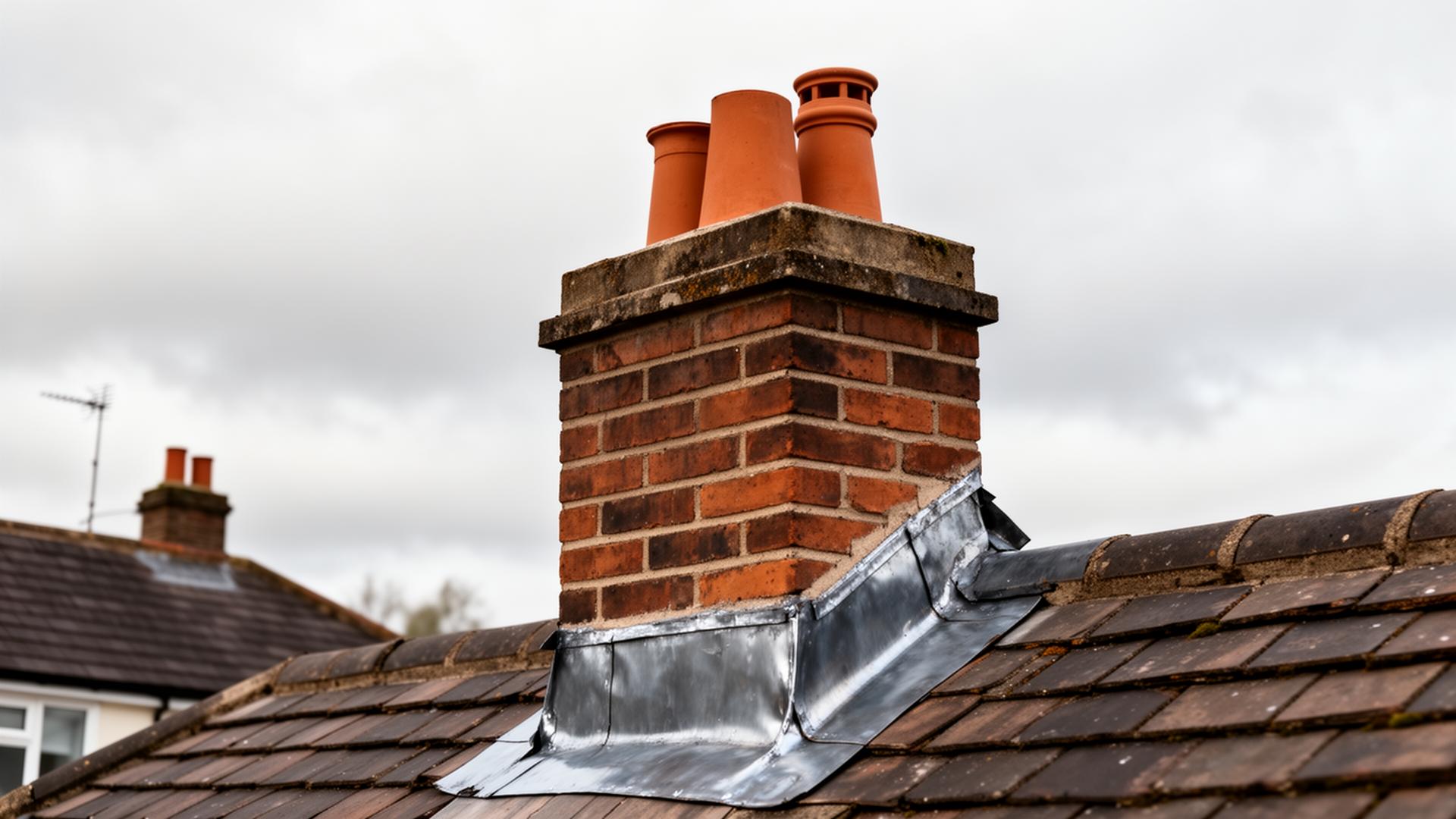
Chimney Repairs That StopLeaks, Damp & StructuralDamage Permanently
A deteriorating chimney is one of the most common — and most overlooked — causes of persistent damp and roof leaks. Get expert repairs that fix the root cause, not just the visible symptoms.
★ Lead Work Specialists · Traditional & Modern Methods · Free Inspection
Comprehensive Chimney Repairs From Foundation to Pot
Chimneys are exposed to the worst of British weather — rain, wind, frost, and UV — 365 days a year. They sit at the highest point of your roof with no shelter, making them the most vulnerable part of your property's structure. Over time, mortar erodes, lead flashing fails, brickwork cracks, and pots become unstable.
At Topnotch Roofing & Property Maintenance Ltd, we provide a complete chimney repair service covering repointing, lead flashing replacement, chimney pot refitting, cowl installation, stack rebuilding, and weatherproofing. We diagnose the exact cause of your chimney problem and fix it permanently.
Many homeowners don't realise their damp problems originate from their chimney. Failed flashing allows water to track down the inside of the chimney breast, causing damp patches that appear on interior walls — sometimes two floors below the actual leak. We trace the problem to its source and deliver a lasting repair.
We serve homeowners across Cheltenham, Gloucester, Swindon, Cirencester, Stroud, and the wider Gloucestershire area. Whether you have a working fireplace or a disused chimney, keeping the stack weathertight and structurally sound is essential for the health of your property.
The Hidden Damage a Failing Chimney Causes
Persistent Interior Damp
Failed chimney flashing allows rainwater to penetrate the chimney breast and track down through the brickwork, appearing as damp patches on bedroom walls and ceilings — often far from the actual source.
Mortar Erosion & Frost Damage
Pointing between chimney bricks erodes over decades. Water enters the gaps, freezes in winter, and expands — cracking bricks and accelerating deterioration. This cycle worsens every season.
Unstable Chimney Pots
Chimney pots are bedded in mortar (haunching) which cracks and fails over time. Loose pots can fall without warning — presenting a serious safety hazard to anyone below.
Structural Stack Movement
Severely deteriorated chimney stacks can lean, crack, and in extreme cases partially collapse. An unstable stack puts the entire roof structure at risk and requires immediate attention.
Blocked Flue & Ventilation
Debris falling into uncapped chimney flues blocks ventilation, causing condensation and damp inside the chimney breast. This affects both active and disused chimneys.
Staining & Sulphate Attack
Water entering an unused chimney can dissolve sulphates from old soot deposits, causing yellow-brown staining on chimney breast walls. This requires both internal decoration and external repair to resolve.
How We Repair Your Chimney
Visual Inspection
We inspect the chimney stack, pots, flashing, mortar joints, and surrounding roof area. We check for damp evidence internally and externally to pinpoint the problem source.
Diagnosis & Quote
We explain exactly what's causing the issue and provide a detailed written quote covering all necessary repairs, materials, and access requirements.
Safe Access Setup
We erect scaffolding or use a roof ladder system to provide safe access to the chimney stack. All work is carried out to current health and safety standards.
Expert Repair Work
We carry out the specified repairs — repointing, lead replacement, pot resetting, cowl fitting, or stack rebuilding — using proven materials and traditional techniques.
Testing & Verification
We check all seals, test flashing against water flow, and ensure the chimney is structurally sound and weathertight before completing the job.
Benefits of Professional Chimney Repairs
Eliminate Interior Damp
Properly repaired flashing and repointed brickwork stops water ingress at the source — ending persistent damp patches, staining, and mould on chimney breast walls.
Safety Assurance
Secure chimney pots, stable stacks, and fitted cowls eliminate the risk of falling masonry and debris. Essential for properties near footpaths and gardens.
Improved Fireplace Performance
A properly maintained chimney with a clear, ventilated flue draws correctly — improving fire efficiency and reducing smoke entering the room.
Prevent Escalating Costs
Early chimney repairs cost hundreds. A neglected chimney that requires partial rebuilding or structural intervention can cost thousands.
Fast, Clean Results
Most chimney repairs are completed in 1–2 days. We work from scaffolding or roof access, keeping disruption to your home to an absolute minimum.
Long-Lasting Materials
We use lead flashing (50+ year lifespan), frost-resistant mortars, and stainless steel fixings that won't corrode. Materials matched to the demands of exposed chimney locations.
A Complete Guide to Chimney Repairs
Chimney Repointing
Repointing involves raking out deteriorated mortar from the joints between bricks and replacing it with fresh mortar matched to the original colour and profile. For chimney stacks, we use a frost-resistant mortar mix that can withstand the extreme exposure conditions at rooftop level. Standard building mortar isn't sufficient — chimney pointing requires a mix designed for exposed, high-altitude masonry. We repoint to the full depth of each joint (typically 15–20mm) to ensure a lasting bond, not a thin surface skim that cracks within a year.
Lead Flashing Replacement
Lead flashing creates a watertight seal where your chimney meets the roof tiles. There are several types: back gutter (behind the chimney), side flashings (stepped or continuous), front apron, and soakers (hidden beneath tiles). Each must be correctly sized, dressed, and chased into mortar joints at the right height. We use Code 4 or Code 5 lead sheet (the standard for chimney work), dress it using traditional bossing and welding techniques, and point it into the brickwork with a durable sealant. Properly installed lead flashing lasts 50+ years.
Chimney Pot Repairs & Cowl Installation
Chimney pots are secured using haunching — a mortar bed that holds them in position on top of the stack. When haunching cracks, pots become loose and can topple in high winds. We remove loose pots, strip deteriorated haunching, and re-bed pots in fresh frost-resistant mortar with a proper weathered profile. For disused chimneys, we fit ventilation cowls that cap the flue while allowing airflow to prevent condensation. For active chimneys, we install rain cowls and bird guards to keep the flue clear and dry.
Chimney Stack Rebuilding
When deterioration has gone beyond pointing — where bricks are crumbling, the stack is leaning, or mortar joints have failed throughout — a partial or full rebuild may be necessary. We carefully dismantle the damaged section, salvaging original bricks where possible, and rebuild using frost-grade engineering bricks or reclaimed stock to match the existing structure. The stack is rebuilt with DPC (damp proof course) trays, properly flaunched pots, and new lead flashing. This is a comprehensive repair that restores the chimney to as-new condition.
Chimney Waterproofing
For chimneys that are structurally sound but absorbing excessive moisture through the brickwork, we apply specialist masonry waterproofing treatments. These clear, breathable silicone-based coatings repel rainwater while allowing trapped moisture to escape. This is particularly effective on older, porous brickwork where repointing alone doesn't fully stop water absorption. Waterproofing is applied after any necessary repointing and provides an additional layer of weather protection.
Disused Chimney Management
Even if you no longer use your fireplace, the chimney stack still needs maintenance. A disused chimney should be capped with a ventilation cowl to prevent rain entering the flue while maintaining airflow to prevent condensation. The flashing, pointing, and structural condition of the stack still need periodic inspection. Many homeowners overlook disused chimneys until damp problems appear — by which point the damage has been developing for years.
Frequently Asked Questions
Stop Chimney Problems Before They Spread
Get a free chimney inspection and honest repair quote. We'll identify the source of the problem and fix it permanently — not patch over it.
No obligation. No hidden fees. We respond within 24 hours.